Most baby name regrets come from small things that were easy to check. A confusing spelling, awkward initials, or a nickname nobody wanted can all cause years of small annoyances. Each of these problems is avoidable with a few minutes of testing.
This guide lists ten common mistakes. For each one, you will see why it happens, how to spot it, and what to do instead. It also covers what to do if you have already chosen a name and notice a problem.
1. Skipping the full-name test
Say the first, middle, and last name together before you decide. Some combinations run together or rhyme in odd ways. "Ellen Nelson" is a classic case, since the "n" sounds blur into each other.
Watch for repeated sounds, rhyme, and rhythm. A full name that flows in a smooth pattern is easier to say and to remember. A name that sounds like a tongue twister will trip people up forever.
To test, say the full name five times fast. If you stumble more than once, look again.
2. Ignoring the initials
Write the three initials together and read them as a word. A child's initials show up on school items, sports gear, monograms, and email addresses. An unlucky combination can cause teasing.
The test takes ten seconds. Write the first, middle, and last initials in a row. If they spell a word, a rude phrase, or a well-known abbreviation, you may want a different middle name. The fix is usually simple, such as swapping the middle name or changing the order.
3. Choosing a hard-to-spell name without a plan
Unusual spellings can be lovely. But your child will spell the name for life, and so will every teacher, doctor, and clerk.
Ask three friends to write the name after hearing it once. If they produce three different spellings, you will spend years correcting people. That may be fine if you love the spelling. If it is not, choose the standard form.
Also think about forms and software. Many systems flag unusual spellings as errors. That is a small nuisance, but it adds up.
4. Forgetting the nicknames
Children get nicknames whether you plan for them or not. A name that looks great in full may shrink into a short form you do not like.
Alexander can become Alex, Xander, or Sandy. Elizabeth can become Liz, Beth, Betsy, or Eliza. Christopher can become Chris, Topher, or Kit. List the likely short forms and say each one aloud.
If you dislike a nickname, you have two choices. You can pick a different name, or you can use the full name consistently so the short form does not catch on. The second path takes effort.
5. Not checking the meaning
Names can mean different things in different languages. A blend can also land on a word with an unintended meaning. A quick check in each language your family speaks can prevent a surprise.
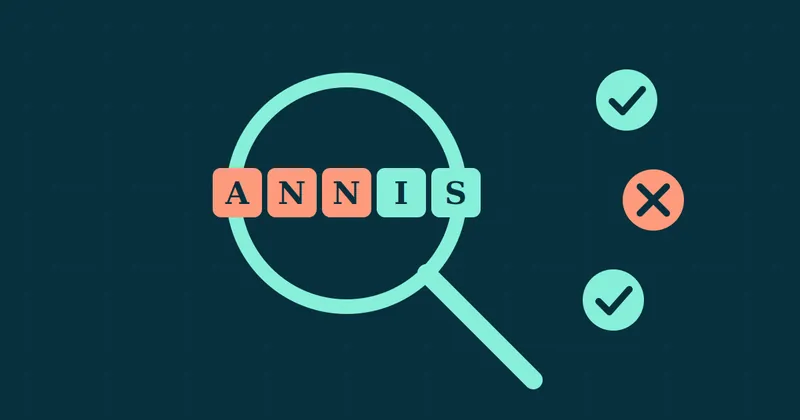
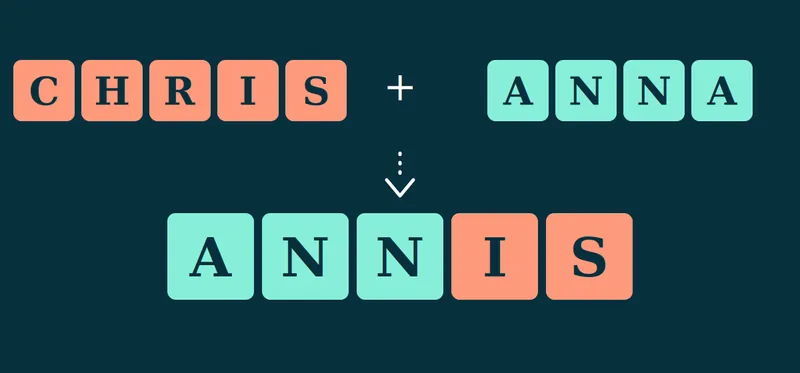
Our tool helps with sound, not meaning. A blend such as Annis, built from Anna and Chris, has no meaning of its own. Look up each piece and ask relatives what the sound suggests to them.
For real names, check at least two sources, since meanings vary by tradition. The Arabic names guide shows how spellings and meanings shift between languages.
6. Choosing a blend that is not easy to say
A blended name is personal, but it still needs to be easy to say. Many blends look interesting on a screen and sound clumsy in speech.
Chris and Anna illustrate the point. The tool returns 25 blends for this pair. Annis scores 92 and reads cleanly. Annachri scores 82, and Chrianna and Chrina both score 76, since the "chr" cluster slows the tongue. The gap between 92 and 76 shows how much a single cluster can matter.
Use the pronounceability checklist or the flow score in the baby name combiner before you commit.
7. Choosing only for trend
A name that is everywhere this year may feel dated in twenty. Trends move fast, and a name that rises quickly often falls just as fast.
To check, look at how long the name has been in use and how its rank has changed. The Social Security Administration publishes yearly rankings back to 1880. A name with a long, steady record is less likely to feel dated. A name that jumped from obscurity in the last three years is riskier.
That does not make trendy names bad. It simply means you should choose them knowingly.
8. Letting one opinion decide
Family and friends will have opinions. Some will be kind, and some will be blunt. Listen, but remember that two people make the decision.
A name that both parents love is better than one that pleases everyone else. If you let a relative's taste decide, you may live with a name you only half like. Thank people for their input, and keep the final choice to yourselves.
It also helps to share a shortlist and not a single name. That way, people have something to respond to without feeling that you already decided.
9. Not searching the name
Do a quick online search for each finalist. You may find that the name is tied to a well-known figure, a brand, or an event you would rather avoid.
Search the full name too, with the last name. Some full names match a real person with a public record or a viral story. Others match a business, a book character, or a place.
A search takes a minute and can save years of explaining. It can also reveal good things, such as a famous person with the name who shares a trait you admire.
10. Rushing the final decision
If you feel pushed, slow down. Pressure from time, relatives, or exhaustion leads to rushed choices.
Take a day, say the name aloud again, and see how you feel. If it still feels right, you are probably safe. If a doubt keeps returning, listen to it. Most people who change their minds do so for a reason that stays true after a night's sleep.
Quick checklist
Before you make it official
- Say the full name aloud, first to last
- Write the initials and read them
- Ask a friend to spell it after hearing it once
- List likely nicknames and check you like them
- Check the meaning in your family's languages
- Search the name online
- Picture it at age 5, 15, and 45
- Hear how relatives pronounce it
What to do if you already chose a name
If you spot a problem after the choice, do not panic. Many issues have easy fixes.
If the problem is a nickname you dislike, use the full name consistently. Over time, most people follow your lead. If the problem is a confusing spelling, write the name clearly on documents and introduce it with the correct spelling the first time. If the problem is awkward initials, use a different middle name or change the order.
If the problem is serious, you can change the name. Most places allow it, though the paperwork and fees differ. Ask your local vital records office. Many parents find that a doubt fades once they hold the baby, so give it a little time before you act.
Paperwork mistakes
Some mistakes happen after the name is chosen. They come from rushing the forms.
Many parents fill out birth paperwork while tired. A typo in the name, a swapped letter, or a missing middle name can cause trouble later. Read the form slowly and ask a second person to check it.
Also check local rules before you finalize. A few U.S. states, including California, limit birth certificates to the 26 letters of the English alphabet. If your chosen spelling uses an accent or a symbol, it may not appear. Your vital records office can tell you what is allowed.
Mistakes with sibling names
If you plan more than one child, think about how the names fit together.
Names with the same first letter cause mix-ups on mail, forms, and school lists. Names that rhyme can sound silly when you call both together. Names that all end in the same sound can blur in a crowded room.
You do not need to avoid every overlap. Just notice them. A set such as Leo and Freya works well because the names differ in length, opening sound, and ending.
Mistakes with family names
Honoring a relative is lovely, but a few traps are worth noting.
A name tied to a painful memory can carry that weight for the child. A name shared with a living relative can cause confusion when both are in the room. Names with suffixes such as Junior or the Third add paperwork and can cause mix-ups with mail and records.
Talk with the relative if you can. Many people are moved by the gesture, and some have strong views on spelling or use. A short chat now saves hurt feelings later.
A ten-minute pre-check
If you only have a few minutes, this routine catches most problems.
- Say the full name aloud five times.
- Write the initials and read them.
- Ask someone to spell the name after hearing it once.
- List three nicknames and say each one.
- Search the name online.
- Look up the meaning in two sources.
Set a timer for ten minutes and go through the list for each finalist. If a name passes all six, you can feel good about it. If it fails one, decide whether the problem is small enough to accept.
Why these mistakes happen
Most naming mistakes come from two things. The first is excitement. A name that feels perfect in the moment can hide a flaw. The second is fatigue. By the end of a long process, people want to be done.
You can fight both with structure. Use a checklist. Take breaks. Sleep on the final choice. And ask one calm person to be the tester, someone who has not been in the middle of the debate.
Forgetting the surname
A first name always sits next to a surname, so any change in the surname changes the full name. If one parent might hyphenate, or if the child's surname may differ from yours, test the first name with each version.
Also think about length. A long first name next to a long hyphenated surname can fill a form field and cut off in some systems. A short first name next to a long surname often reads well. Run the numbers on the version you expect to use most.
Thinking only about the baby
A baby name needs to fit a baby, but the person who carries it will be an adult for most of their life. Picture the name on a business card, a resume, or a wedding invitation.
Names with a playful feel suit babies and children. They can feel less suited to some adult roles, though many grow into them well. This is not a reason to avoid a name you love. It is a reason to picture the whole life and not just the first year.
Not preparing for corrections
A name that is easy for you may be unfamiliar to others. Every unusual name brings small corrections. Teachers, coaches, and clerks may all ask about the spelling or the sound.
Think about how you want to handle that. A short, friendly line works well, such as "It's said like this, and it's spelled like that." If you expect to say it often, pick a name whose explanation you enjoy giving. The more you like the story, the easier those moments feel.
Frequently asked questions
What is the biggest naming mistake?
Not testing the full name aloud. It takes one minute and prevents many problems.
Can I change a baby's name after birth?
In most places, yes, though rules vary. Check your local registry for the process.
Should I avoid unusual names?
Not at all. Just be ready for the extra spelling and pronunciation work.
How do I handle a relative who dislikes the name?
Stay polite and firm. Many people adjust once they meet the baby.
Do I need to check the meaning of a blend?
Yes. A blend has no meaning of its own, and it can accidentally match a word in another language.
How many names should I test before I decide?
Test at least three finalists. That gives you a fair comparison without creating overload.
Conclusion
A few checks catch most naming problems. Run your finalists through them, and you will feel more confident in your choice. If you have not started yet, begin with how to choose a baby name. You can also test blends of your own names in the baby name combiner.